Movement · OAK field notes
Strength is for every chapter.
Why strength, balance, and everyday movement belong in the conversation about aging.
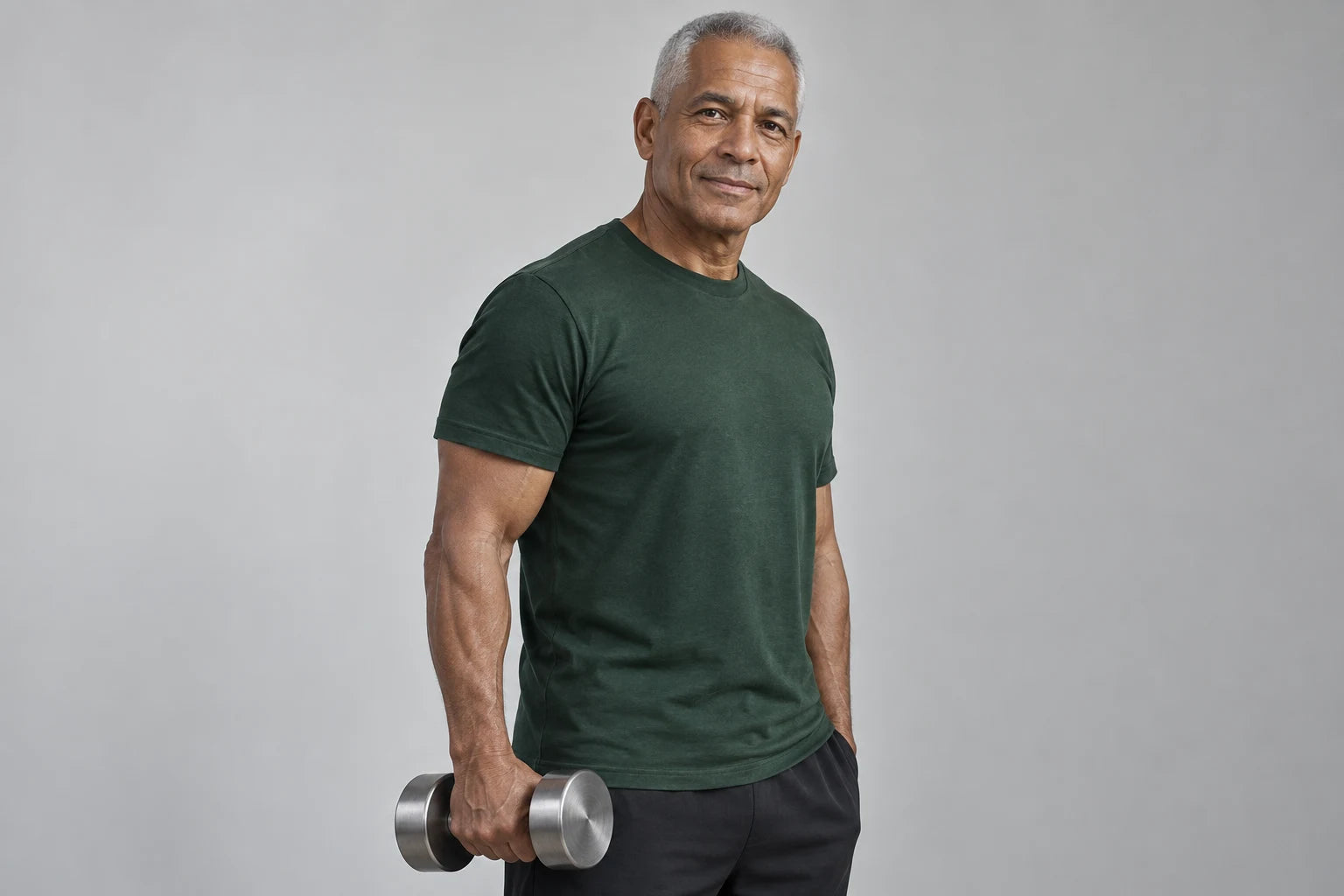
Strength is useful in ordinary moments: carrying a bag, getting up from a chair, and taking part in activities we enjoy. That makes movement a health topic at every stage of life.
A broader view of being active
Movement includes walking, wheeling, dancing, household tasks, and planned exercise. It does not need to resemble a gym advertisement to count.
WHO guidance for older adults includes aerobic activity, muscle strengthening, and activities that develop balance. It recommends strengthening major muscle groups on at least two days a week, alongside regular aerobic movement; varied activities emphasising balance and strength are also important.
Some activity is better than none. The useful question is what you can do regularly and build on gradually.
Adapt the activity to the person
Ability, mobility, and health conditions affect the right starting point. A qualified professional can help adapt activity where needed. A photograph or a general guideline is not an individual training prescription.
Sources & further reading
Physical activity and sedentary behaviour: a brief to support older people — World Health Organization.
For general information, not personal medical advice. Your circumstances may call for guidance from a qualified health professional.